
History
Carcassonne is a fortified city in the Occitanie region of France, famous for its medieval citadel, La Cité. Its history dates back to pre-Roman times.

Key Historical Periods
Pre-Roman and Roman Origins (c. 6th Century BC – 5th Century AD):
The site was first settled by the Volcae Tectosages, a Celtic tribe, around the 6th century BC.
The Romans fortified the hill in 100 BC, establishing the town of Colonia Julia Carcaso. They built the first powerful ramparts which still form the base of the northern walls of the Cité.
Visigothic Rule (5th – 8th Century AD):
After the fall of the Western Roman Empire, Carcassonne was taken by the Visigoths, who controlled the region (Septimania).
They strengthened the Roman walls, making the city a strategic stronghold against the Franks to the north.
The Medieval Era and the Crusades (8th – 13th Century):
The city was contested between the Moors, Franks, and local counts, eventually coming under the control of the powerful Trencavel family in the 11th century.
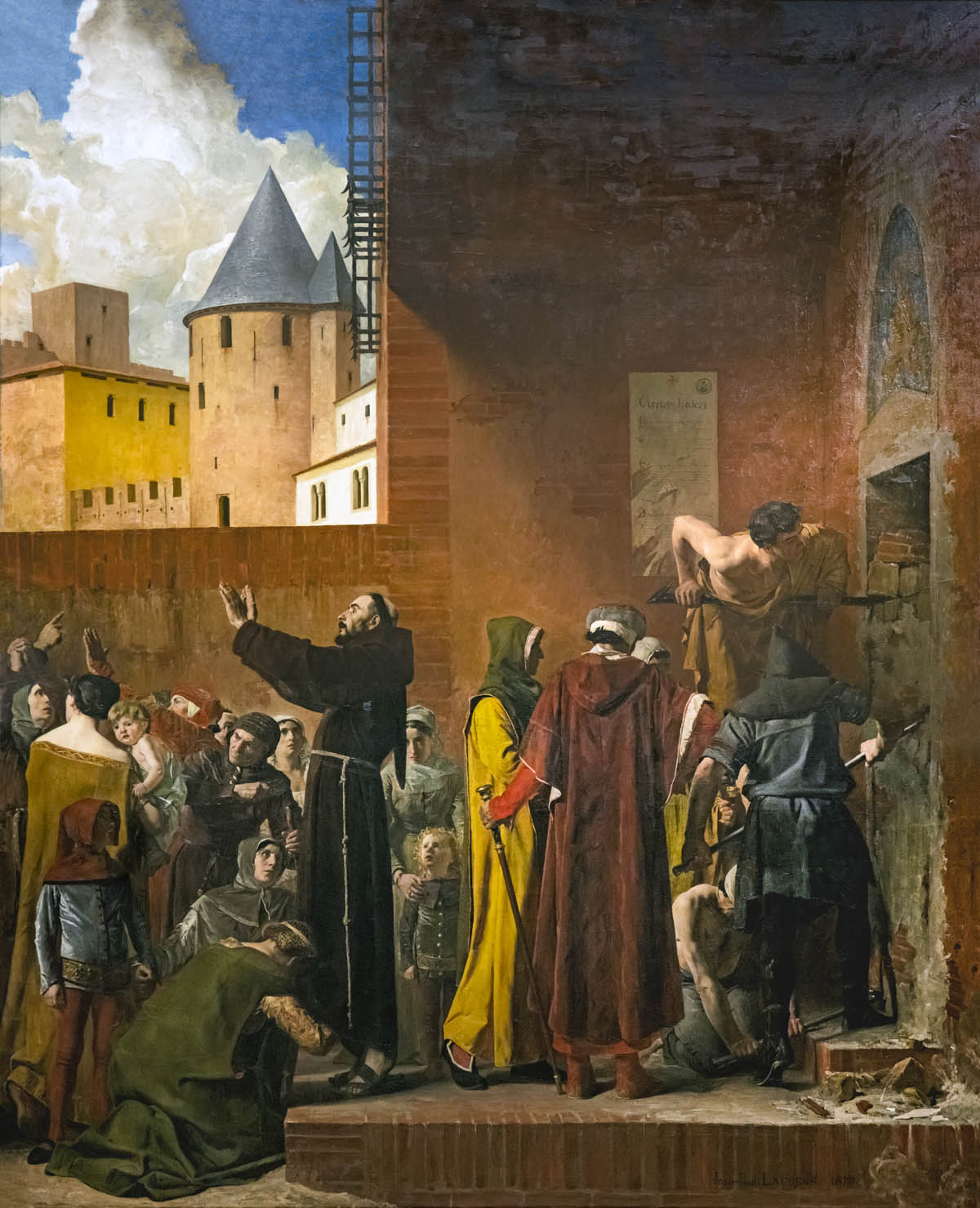
The Albigensian Crusade (1209): Carcassonne became a major target during the crusade against the Cathars. Simon de Montfort besieged the city and forced the Viscount Raymond Roger Trencavel to surrender.
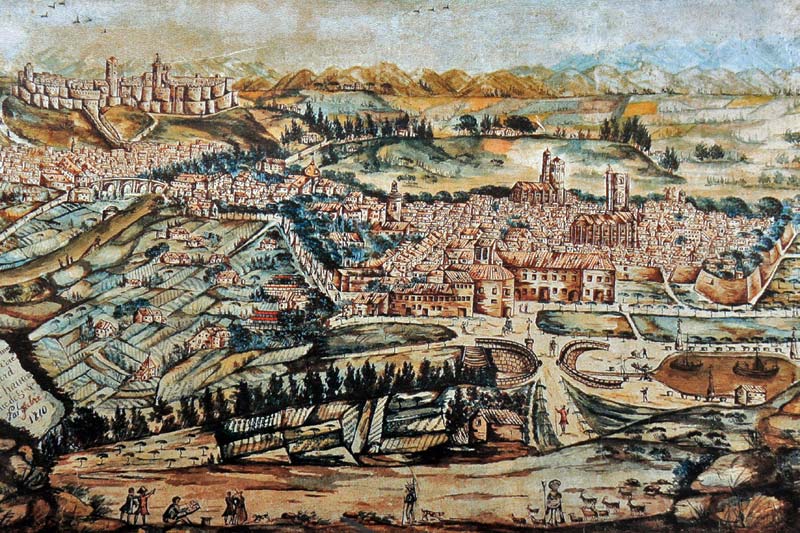
Royal Control: The city was taken over by the French Crown, making it a critical royal fortress guarding the border with Aragon (Spain).
![carcassonne 1462 [dessin] [...] btv1b6904018s 1 (1)](https://placealegria.fr/wp-content/uploads/2025/10/Carcassonne_1462___dessin___._btv1b6904018s_1-1.jpeg)
The Dual Walls and Peak Fortification (13th Century):
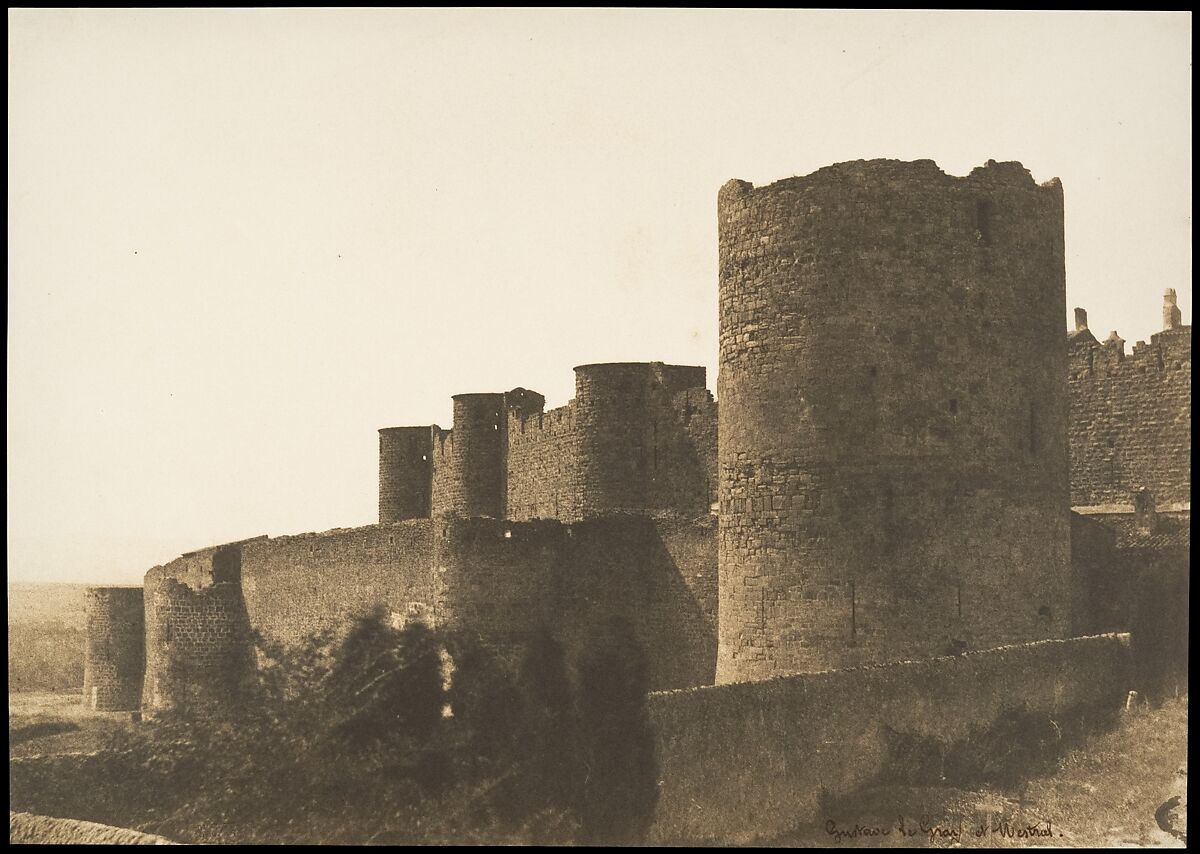
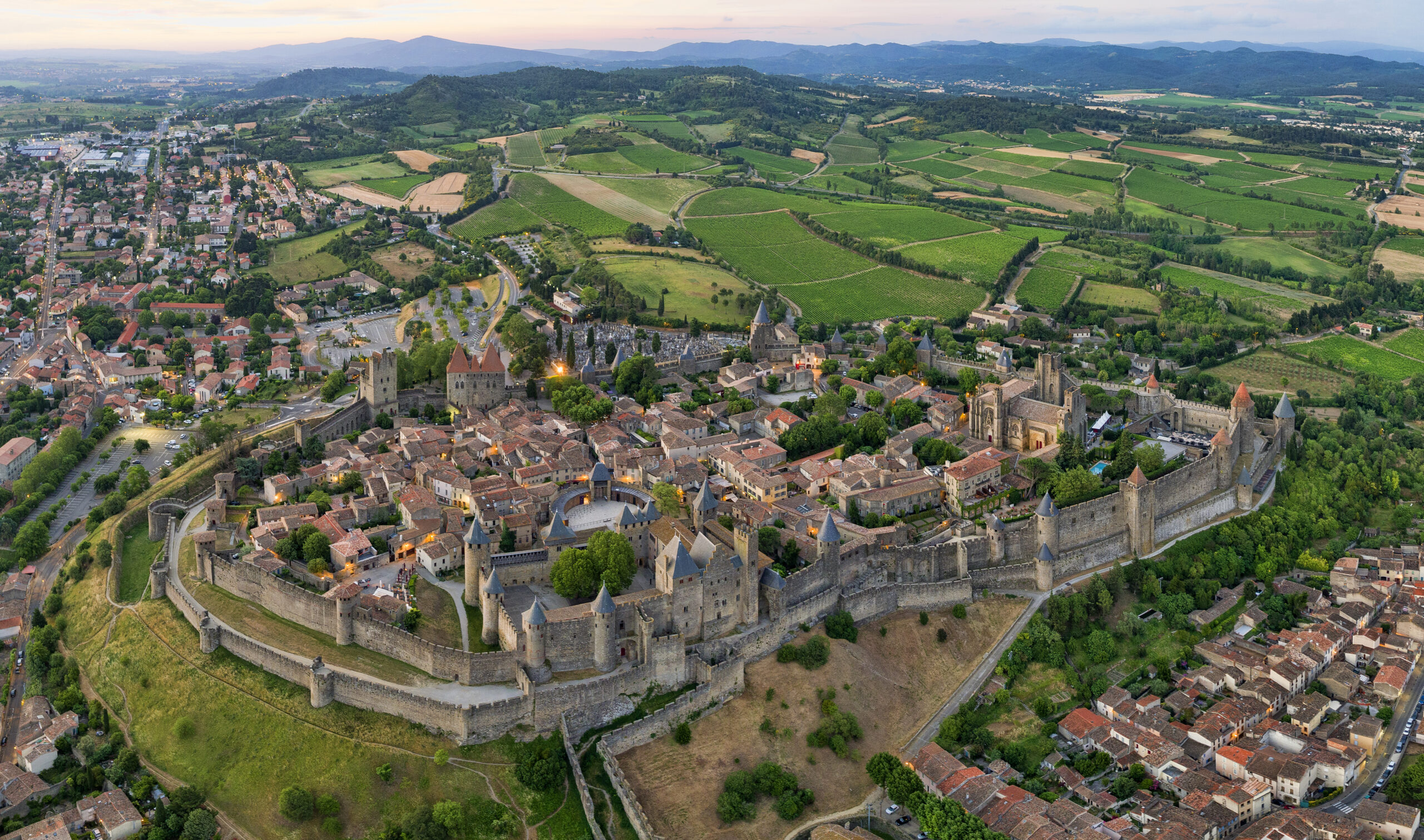
King Louis IX and his successors greatly expanded the fortifications. The famous second wall was built outside the original Visigothic/Roman wall, creating the concentric defense system visible today.
This dual defense, featuring 52 towers and two main gates, made Carcassonne one of the most impregnable fortresses in Europe.
Decline (17th – 19th Century):
The Treaty of the Pyrenees (1659) shifted the French border south to the Pyrenees, reducing Carcassonne’s strategic importance.
The fortress was neglected and gradually fell into disrepair, eventually being used for storage and housing, and risked demolition.
Restoration and Modern Status (19th Century – Present):
In the mid-19th century, a campaign led by historian Jean-Pierre Cros-Mayrevieille convinced the French government to save the Cité.
Architect Eugène Viollet-le-Duc oversaw a controversial but massive restoration project that rebuilt many towers and walls.
The Cité was listed as a UNESCO World Heritage site in 1997, recognizing its status as an exceptional example of a medieval fortified city.